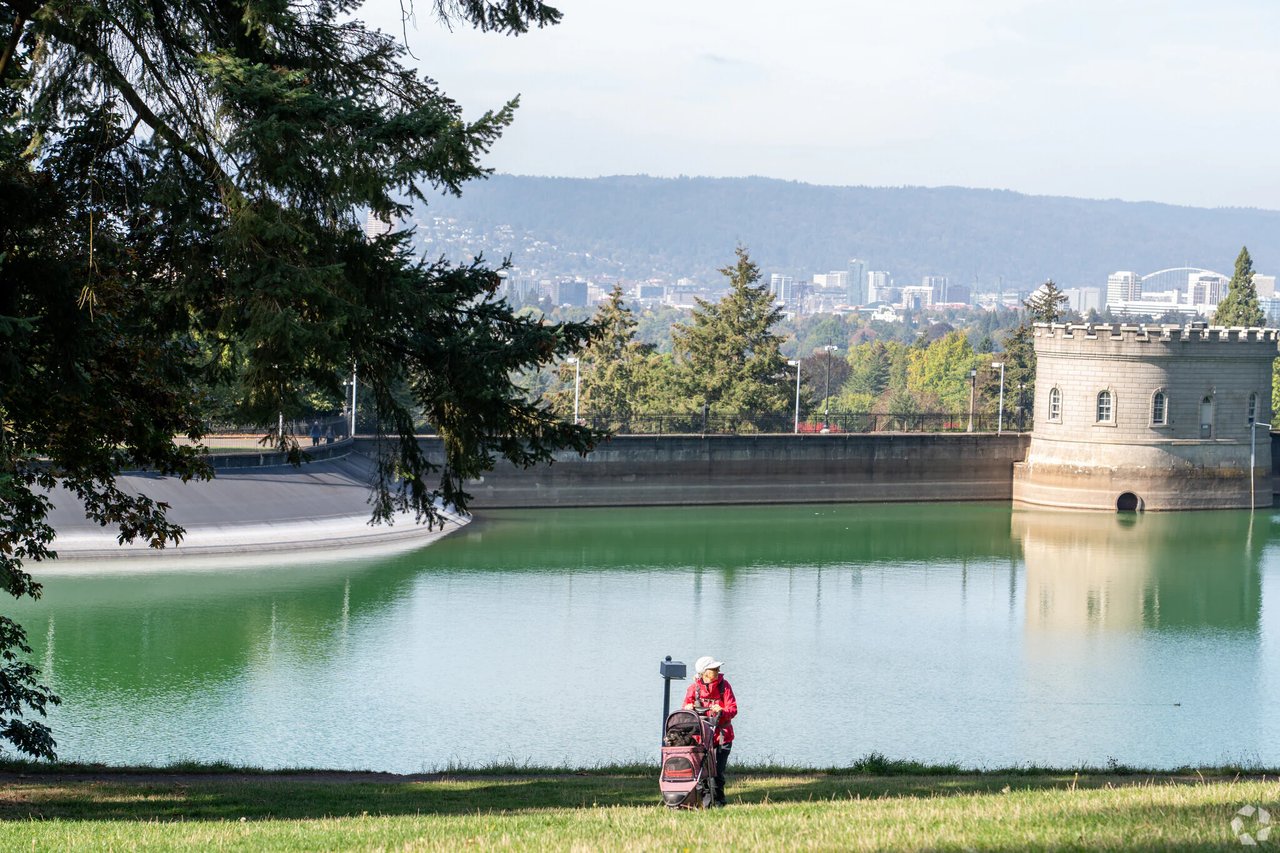
Mount Tabor is one of Portland’s most distinctive neighborhoods, offering tree-lined streets, historic homes, and sweeping city views — all centered around an extinct volcanic park that locals consider irreplaceable. With strong community pride, walkable pockets, and limited housing inventory, Mount Tabor appeals to buyers who value character, outdoor access, and long-term livability. This guide breaks down what living in Mount Tabor is really like in 2026.
(This article expands on insights from a recent Homes.com Mount Tabor neighborhood feature, where I was interviewed and cited as a local real estate expert.)
Where Mount Tabor Is — and Why Location Matters Here
Mount Tabor sits in Southeast Portland, just east of Laurelhurst and west of Montavilla. What makes it unique isn’t just where it is — it’s what it’s built around.
At the center of the neighborhood is Mount Tabor Park, a dormant volcanic butte rising above the surrounding city. The elevation creates:
-
City and mountain views from select streets
-
A natural buffer from traffic noise
-
A strong sense of place you don’t find in flatter neighborhoods
Compared to nearby areas like Laurelhurst (known for its formal park and stately streets) or Hollywood (more compact and commercial), Mount Tabor feels more organic and nature-driven — with homes wrapping around the park itself.
👉 Related reading: If you’re comparing nearby areas, see my guides on Laurelhurst and Hollywood to understand how lifestyle and home styles differ block by block.
Homes & Architecture Around Mount Tabor
Mount Tabor’s housing stock reflects early-to-mid-20th-century Portland, with noticeable variation depending on elevation and proximity to the park.
Common home styles include:
-
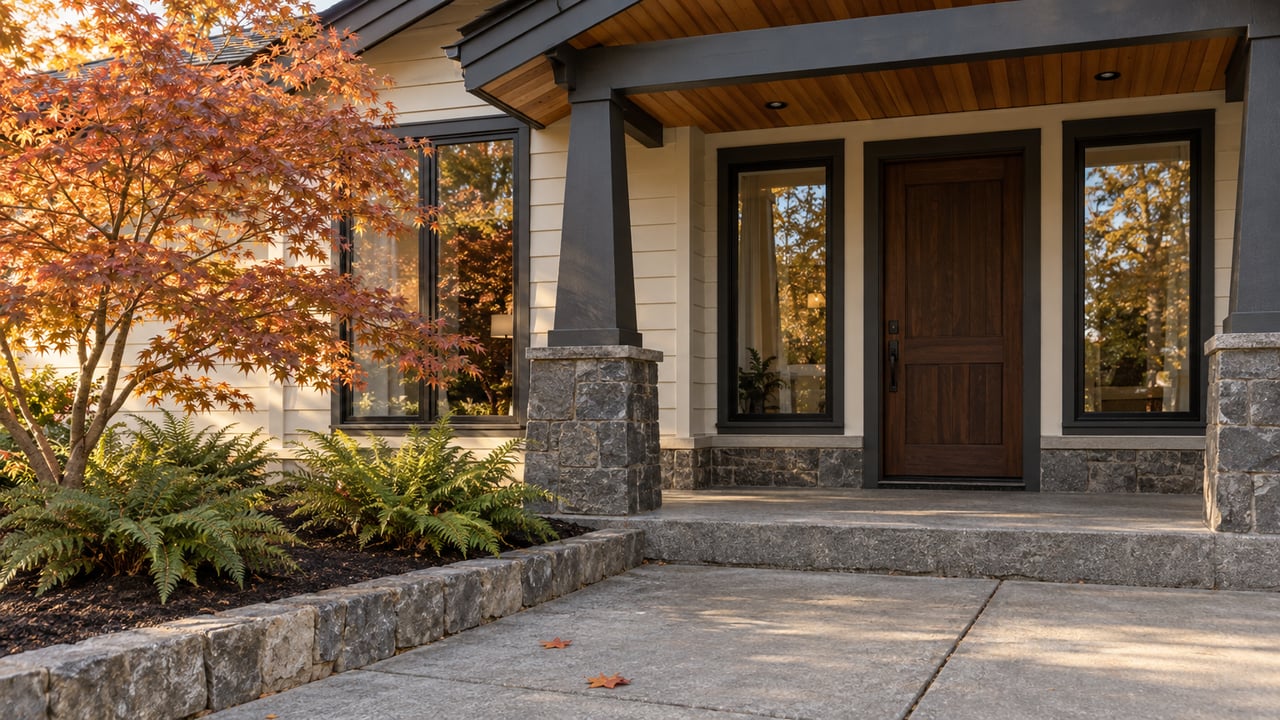
Craftsman and Bungalow homes with deep porches and original details
-
Tudor and Colonial Revival properties on larger lots
-
Tastefully updated historic homes blending modern interiors with classic exteriors
Homes closer to the park or with elevation often command a premium due to:
-
Views
-
Quiet streets
-
Direct access to green space
Local market insight: Inventory in Mount Tabor is consistently limited. Buyers often compete for well-maintained homes, while sellers benefit from demand driven by the neighborhood’s scarcity and reputation.
Mount Tabor Park: The Neighborhood’s Anchor
Unlike most Portland neighborhoods that have a park, Mount Tabor is defined by its park.
Mount Tabor Park offers:
-
Miles of walking and running trails
-
Reservoirs and scenic overlooks
-
Tennis courts, playgrounds, and open lawns
-
One of the best sunset views in the city
For many residents, daily routines revolve around the park — morning walks, evening runs, or weekend picnics. This is a major differentiator compared to neighborhoods like Hollywood, which lean more toward retail and transit convenience.
Walkability, Daily Life & Local Spots
While Mount Tabor is primarily residential, daily essentials are easily accessible:
-
SE Hawthorne and SE Belmont corridors offer dining, coffee, and shopping
-
Bike routes and greenways connect to inner Southeast and Northeast Portland
-
Transit options make commuting downtown or across the city manageable
Mount Tabor tends to attract residents who want quiet at home but still enjoy vibrant commercial streets just minutes away.
Schools & Long-Term Appeal
Families are drawn to Mount Tabor for:
-
Established residential streets
-
Proximity to parks and outdoor space
-
Access to well-known Portland public and private school options
The neighborhood’s stability and low turnover make it especially appealing for buyers planning to stay long-term.
Commuting & Connectivity
Mount Tabor offers flexibility rather than dependence on a single commute option:
-
Easy access to downtown Portland
-
Strong bike infrastructure
-
Multiple bus routes serving the area
While it’s less transit-centric than Hollywood, many residents view that as a feature — not a drawback.
Who Mount Tabor Is Right For
Mount Tabor is ideal for:
-
Buyers who value nature, elevation, and character
-
People who want a quiet neighborhood with access to active outdoor space
-
Long-term homeowners looking for stability and pride of place
It may not be ideal for:
-
Buyers who want new construction or high-density living
-
Those seeking nightlife directly outside their front door
Mount Tabor vs. Nearby Neighborhoods (Quick Comparison)
-
Mount Tabor vs Laurelhurst:
Laurelhurst feels more formal and park-adjacent; Mount Tabor feels more immersive and nature-driven. -
Mount Tabor vs Hollywood:
Hollywood offers more transit and retail density; Mount Tabor prioritizes quiet streets and green space.
👉 If you’re deciding between these areas, explore my neighborhood guides for Laurelhurst and Hollywood for a side-by-side comparison.
Final Thoughts: Is Mount Tabor Worth It in 2026?
Mount Tabor remains one of Portland’s most emotionally compelling neighborhoods. The combination of elevation, park access, historic homes, and limited supply continues to drive demand — even as buyers become more selective citywide.
For the right buyer, Mount Tabor isn’t just a place to live. It’s a lifestyle choice.
Frequently Asked Questions
What types of homes are common in Mount Tabor?
Craftsman, bungalow, Tudor, and Colonial Revival homes dominate the area, many with updated interiors.
Why are Mount Tabor homes often more expensive?
Elevation, views, proximity to the park, and limited inventory all contribute to stronger pricing.
Is Mount Tabor walkable?
Yes, especially to the park and nearby commercial corridors like Hawthorne and Belmont.
How does Mount Tabor compare to Laurelhurst or Hollywood?
Mount Tabor is more nature-centric, Laurelhurst is more formal and park-adjacent, and Hollywood is more urban and transit-oriented.
If you’re considering buying or selling in Mount Tabor, guessing doesn’t help.
Get a custom Mount Tabor neighborhood value report, showing real sales by street, elevation, and proximity to the park.
👉 Request your free Mount Tabor value breakdown here.