If you own a character home in Crown Park, you may be asking a big question: How much do you really need to do before you list? That is a smart concern, especially in a neighborhood where buyers notice charm, setting, and condition all at once. The good news is that preparing an older home for today’s buyers usually is not about stripping away its personality. It is about presenting that personality clearly, cleanly, and confidently. Let’s dive in.
Why Crown Park buyers shop differently
Crown Park is not just another pocket of Camas. It is a long-established neighborhood centered around a 7.3-acre park with mature trees and deep local identity. That setting shapes how buyers experience homes here from the moment they pull up.
In other words, buyers are often responding to both the house and the surroundings. A home in Crown Park can stand out because it feels rooted, established, and connected to one of Camas’s most recognized neighborhood anchors. That makes thoughtful preparation especially important.
Price matters, but presentation still matters too
Public market reports for Camas do not line up perfectly. Mid-2026 figures from major market trackers vary on price, days on market, and inventory, which is a reminder that broad headlines do not tell the full story for one specific home.
What does that mean for you as a seller? It means your result is likely to depend on local comparable sales, your home’s condition, and how well it shows. In a balanced-to-competitive market, polished presentation can help buyers feel more confident about your asking price.
Today’s buyers expect polished character
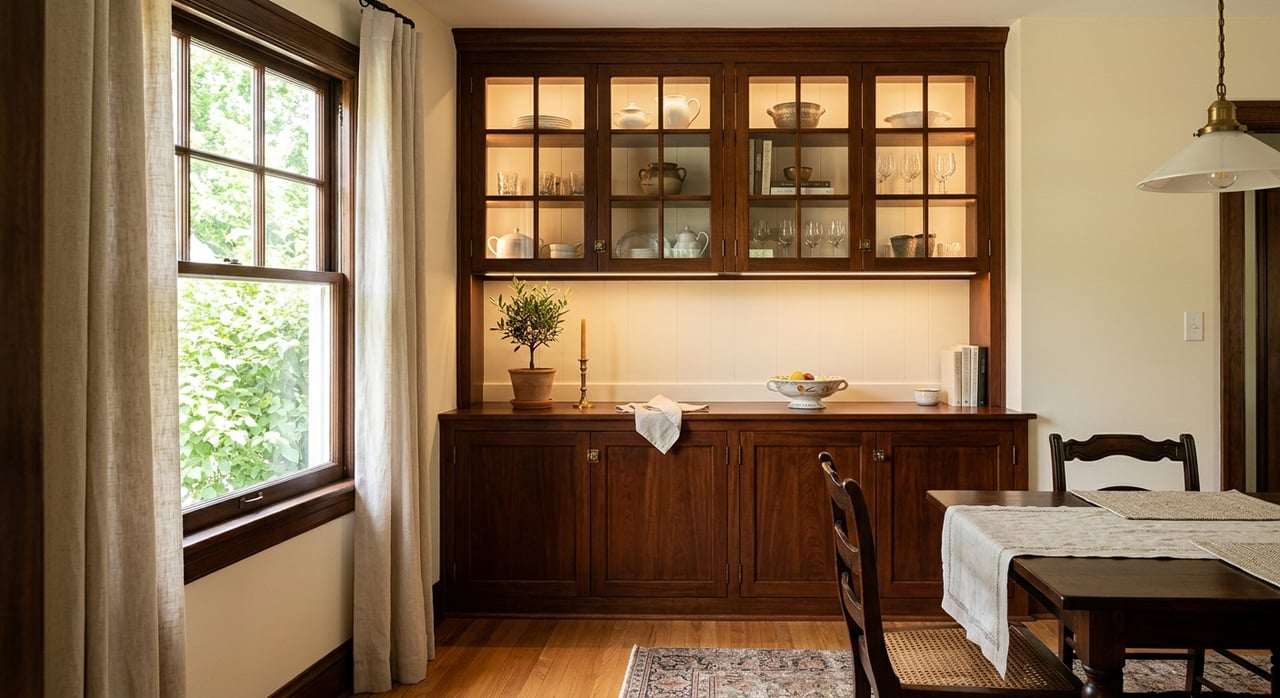
Older homes often win people over with details you cannot easily recreate. Original millwork, built-ins, mature landscaping, and a sense of history can all be part of the appeal. Still, buyers want that charm to come with a home that feels cared for and ready for the next chapter.
That expectation is backed up by staging research. In 2025, 83% of buyers’ agents said staging made it easier for buyers to visualize a property as a future home, and 29% said staged homes received 1% to 10% more in the dollar value offered.
There is also a gap between what buyers expect and what they sometimes see in person. Nearly half of agents reported that buyers expected homes to look like they were staged on TV, and 58% said buyers were disappointed by reality. For a Crown Park character home, that means your goal is not perfection. Your goal is a clean, calm, well-prepared version of the home you already have.
Start with presentation, not a major remodel
Many sellers assume they need a full renovation to compete. In most cases, that is not the first move. Staging guidance points to presentation over remodeling, which makes a big difference for older homes with good bones and appealing original details.
Before you price out a major kitchen overhaul or a full cosmetic reset, focus on the basics that buyers notice right away:
- Decluttering
- Deep cleaning
- Better lighting
- Minor repairs
- Neutral, tidy styling
- Removing visible signs of deferred maintenance
This approach usually protects what makes the home special while still helping it feel current.
Focus on the rooms buyers notice most
Not every room carries the same weight during showings. According to 2025 staging research, the most important spaces are the living room, primary bedroom, and kitchen.
That gives you a smart priority list if time or budget is limited. Instead of trying to perfect every square foot, put your energy where buyers are most likely to form emotional opinions.
Living room
Your living room should help buyers understand how the home lives day to day. In a character home, that may mean highlighting windows, fireplace features, trim, or built-ins rather than filling the room with too much furniture or decor.
Keep traffic flow easy and sightlines open. Buyers should be able to notice the room’s scale and details without feeling distracted by personal items or visual clutter.
Primary bedroom
The primary bedroom should feel restful and simple. Clean bedding, pared-back surfaces, and balanced furniture placement can make the room feel more spacious and more useful.
If the room has older features, do not hide them unless they are damaged or visually overwhelming. Character can be an asset when the room still feels bright, clean, and functional.
Kitchen
The kitchen does not always need a full remodel to make a strong impression. Buyers often respond well to a kitchen that feels clean, efficient, and well maintained, even if it is not brand new.
Focus on what you can improve visibly and affordably. Clear counters, working lights, fresh touch-ups, and spotless surfaces can go a long way in helping buyers see potential without feeling like they are inheriting a project.
Fix the unglamorous issues first
For older homes, the most valuable prep work is often the least exciting. Buyers tend to notice maintenance issues quickly, and small problems can make them worry about larger hidden ones.
Your first round of work should usually include items like these:
- Stop active leaks
- Address water-related staining
- Repair damaged trim or surfaces
- Improve dim or uneven lighting
- Remove musty or unpleasant odors
- Clean areas that signal neglect, like baseboards, vents, and windows
Odors deserve special attention. Buyer guidance notes that unpleasant smells can raise concerns about mold, water damage, or poor maintenance, while strong fragrance cover-ups can backfire. A fresh-smelling home should feel clean, not masked.
Protect curb appeal without losing the setting
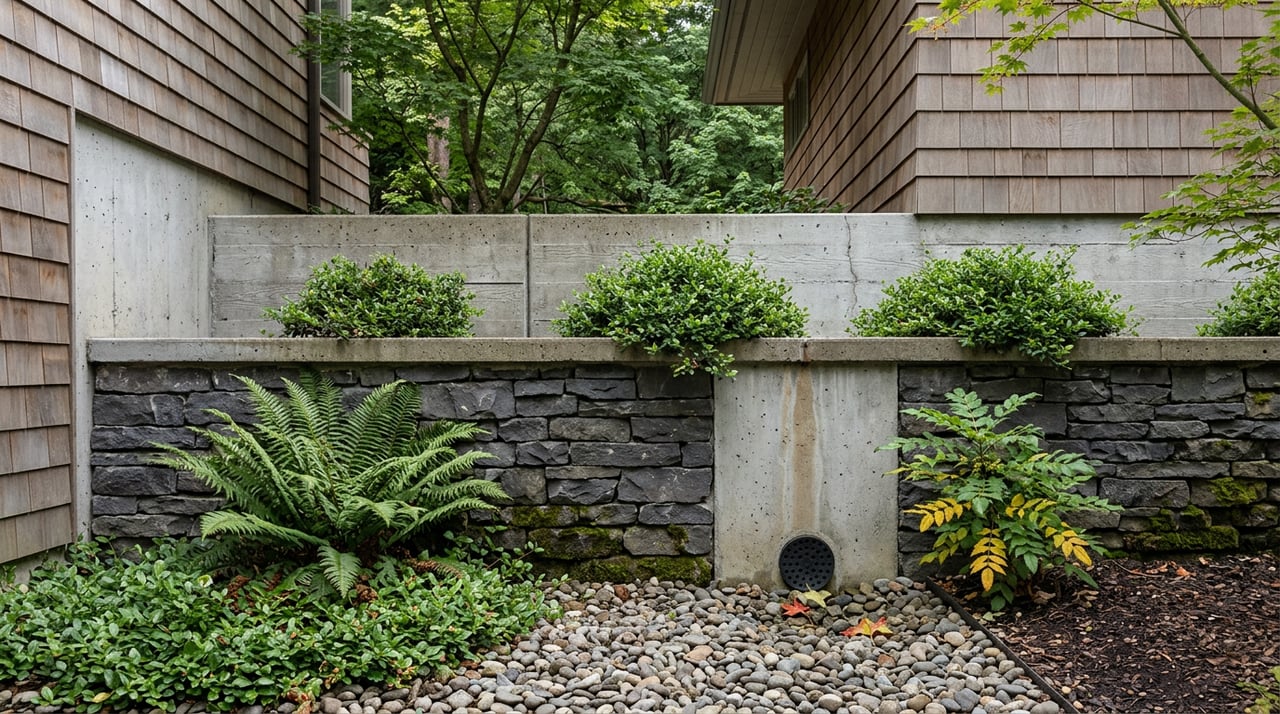
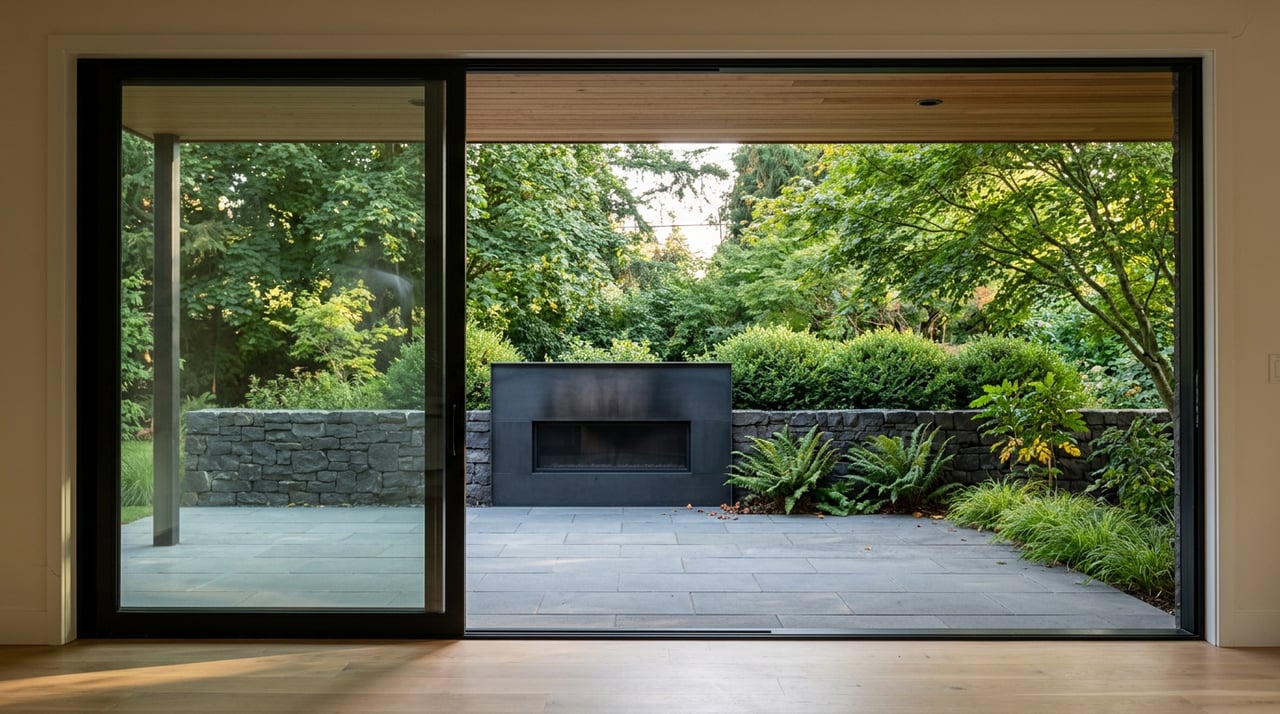
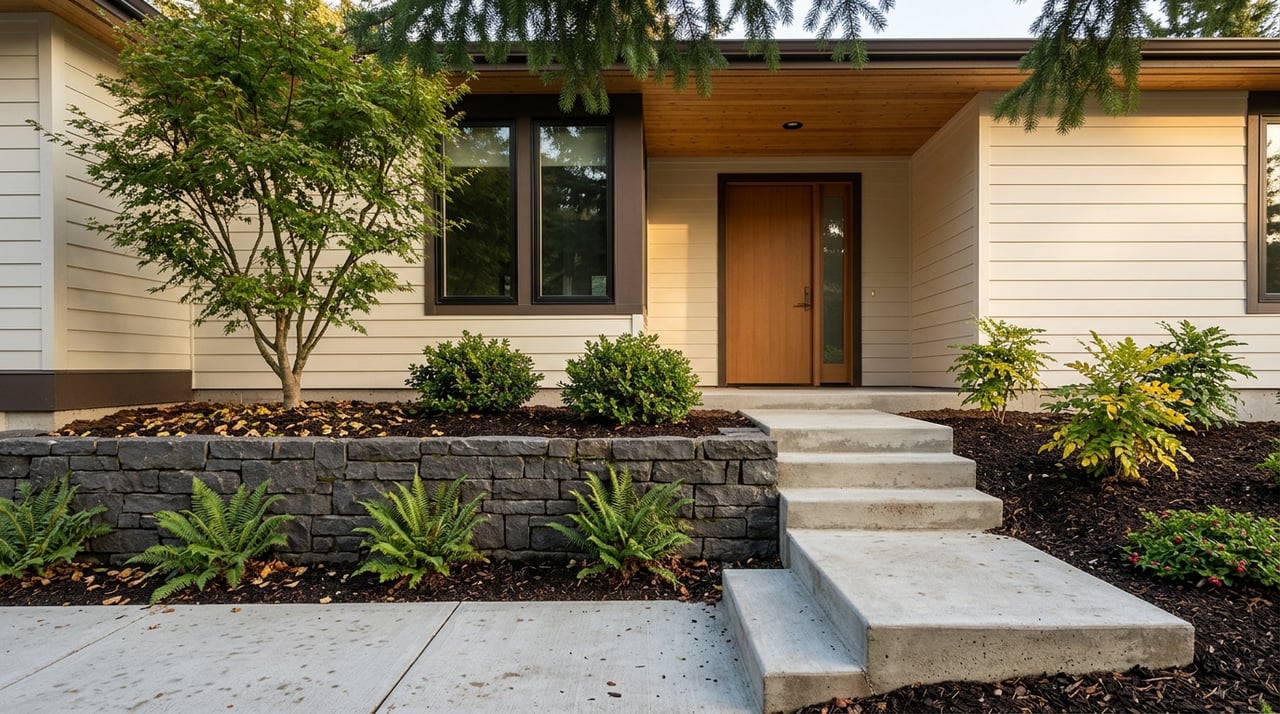
In Crown Park, curb appeal is not about making a home look generic or overdesigned. The neighborhood’s identity is tied to mature trees, established lots, and a long-standing residential feel. Your exterior prep should support that character, not compete with it.
For many sellers, the best exterior updates are simple and practical:
- Refresh the front entry with paint or cleaned-up hardware
- Touch up trim where needed
- Clean gutters and improve drainage
- Tidy walkways and hard surfaces
- Groom landscaping while preserving mature plantings
The goal is to make the home look cared for from the street. Buyers should feel like the property has been maintained thoughtfully over time.
Be careful with trees and exterior changes
If you are considering tree work, it is worth slowing down before making changes. In Camas, tree removal rules can vary depending on the location and type of tree. Street trees along the roadway require a permit and may be approved only in limited situations, such as disease, danger, or property damage.
That matters in a neighborhood like Crown Park, where the mature landscape is part of the appeal. If a tree is affecting curb appeal or maintenance plans, verify the rules early so your prep timeline does not get delayed.
Know which projects may need permits
If you are planning improvements 6 to 18 months before listing, permit questions should be part of the conversation early. The City of Camas notes that like-for-like window replacement generally does not require plans and is often issued the same day, while changing a window size or adding a new opening does require a permit.
Interior remodel permits depend on scope, and roof or siding work is generally permitted when there are no structural changes. Electrical permits are issued through Washington State Labor & Industries. If you are unsure whether a project triggers review, finding out early is much easier than sorting it out right before you go to market.
Use extra caution with pre-1978 homes
If your Crown Park home was built before 1978, paint-related projects need more planning. Sellers in most pre-1978 housing must provide lead-related disclosures and available records before a buyer signs a contract, and buyers must be given a 10-day opportunity to conduct a paint inspection or risk assessment.
There is also an important renovation issue. Paid contractors doing renovation, repair, or painting work that disturbs painted surfaces in pre-1978 homes must be certified and trained in lead-safe work practices. Even projects that seem routine, like sanding or replacing windows, can create hazardous lead dust.
Preserve character where it still works
One of the biggest mistakes sellers can make with an older home is removing the details buyers may have loved. Original features often help a Crown Park home stand apart from newer inventory, especially when those features are in good condition.
As a general rule, preserve what adds warmth, function, or visual identity. Replace or rework features when they create a true usability issue, a safety concern, or obvious wear that undermines buyer confidence. That balance usually delivers better results than trying to make a character home feel brand new.
Follow the right prep sequence
The order of your work matters almost as much as the work itself. If you stage too early or photograph before repairs are complete, buyers may notice flaws that should have been handled first.
A practical prep sequence for a Crown Park character home looks like this:
- Inspect the home early
- Handle maintenance and safety items
- Decide which original details stay
- Complete targeted cosmetic updates
- Stage the home once it is clean and repaired
- Photograph the home accurately and professionally
This process helps you make decisions with less stress and fewer last-minute surprises.
Use photography that feels polished and honest
Listing media matters because many buyers form their first impression online. Strong photography can help them understand the home’s light, flow, scale, and standout details before they ever schedule a showing.
For a character home, accuracy matters just as much as polish. Photos should flatter the property without hiding its age, layout, or condition. If any photo enhancements materially alter the property, they should be disclosed so buyers are not misled.
Disclosures and pre-list planning matter
Washington seller disclosure law makes clear that the disclosure statement is the seller’s disclosure and not a warranty or representation by the agent. For an older home, that makes pre-list planning especially valuable.
If you know the home has a dated system, past repair, or condition issue, it is wise to decide early whether you will fix it, disclose it, or price around it. That kind of clarity can reduce stress later and help the listing process run more smoothly.
The real goal: confidence
When you prepare a Crown Park character home well, you are not trying to erase its age. You are helping buyers feel confident in what they see. That means showing off the home’s personality while reducing the friction that makes people hesitate.
In a neighborhood where charm and setting matter, the best results often come from a steady, selective plan. Clean up the distractions, fix what signals neglect, preserve what makes the home memorable, and present it with care.
If you are thinking about selling in Crown Park and want a clear prep strategy based on your home’s condition, timing, and goals, Peter Cutile can help you build a smart plan from day one.
FAQs
What prep matters most for a Crown Park character home in Camas?
- The highest-impact prep usually includes cleaning, decluttering, minor repairs, odor removal, curb appeal touch-ups, and focused updates to the living room, primary bedroom, and kitchen.
Do you need to remodel a Crown Park older home before selling?
- Usually not. For many character homes, presentation and condition matter more than a major remodel, especially when the original features are appealing and in good shape.
Which rooms should sellers prioritize in a Crown Park home?
- The living room, primary bedroom, and kitchen are the rooms buyers tend to notice most, so they are often the best places to focus time and money.
Are there permit issues to check before updating a Camas home?
- Yes. In Camas, some projects such as changing window size, certain interior remodels, and other scope-dependent improvements may require permits, so it is smart to verify early.
What should sellers know about trees at a Crown Park property?
- Because Crown Park is known for its mature setting, tree decisions should be handled carefully. In Camas, street tree removal requires a permit and is approved only in limited situations.
What if a Crown Park home was built before 1978?
- Pre-1978 homes may involve lead-paint disclosure requirements and lead-safe renovation rules for paid contractors doing work that disturbs painted surfaces.