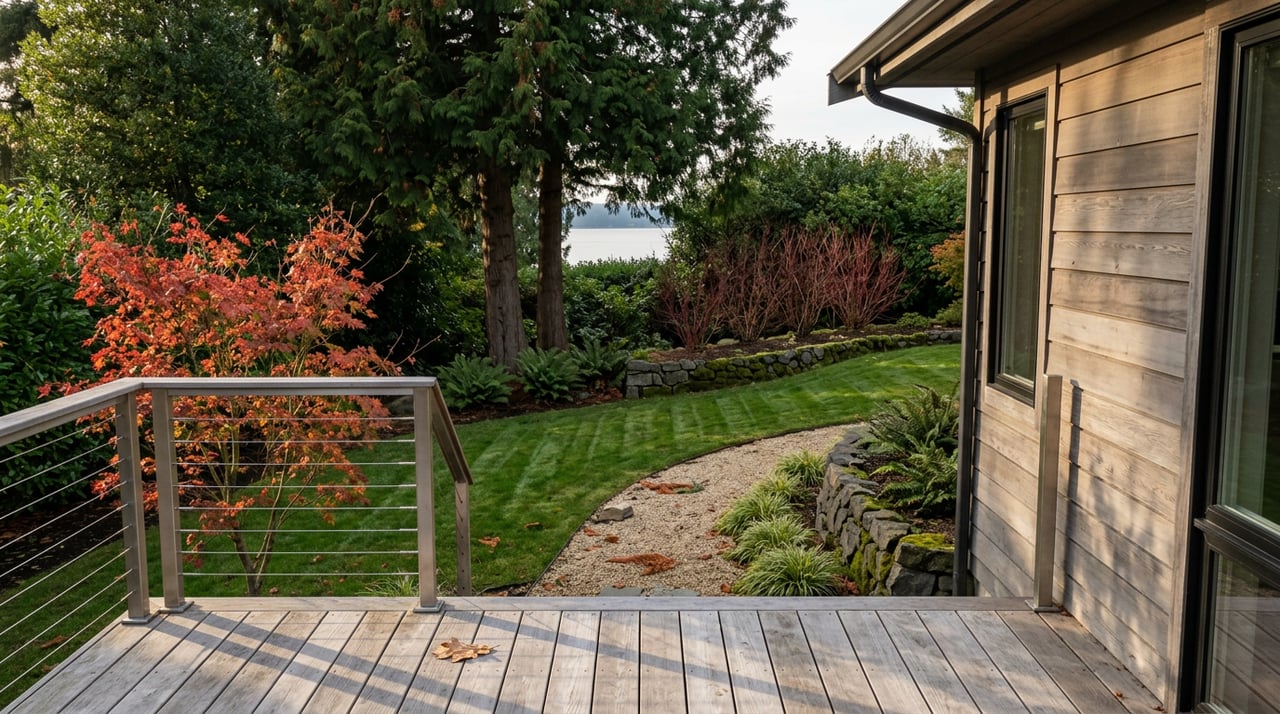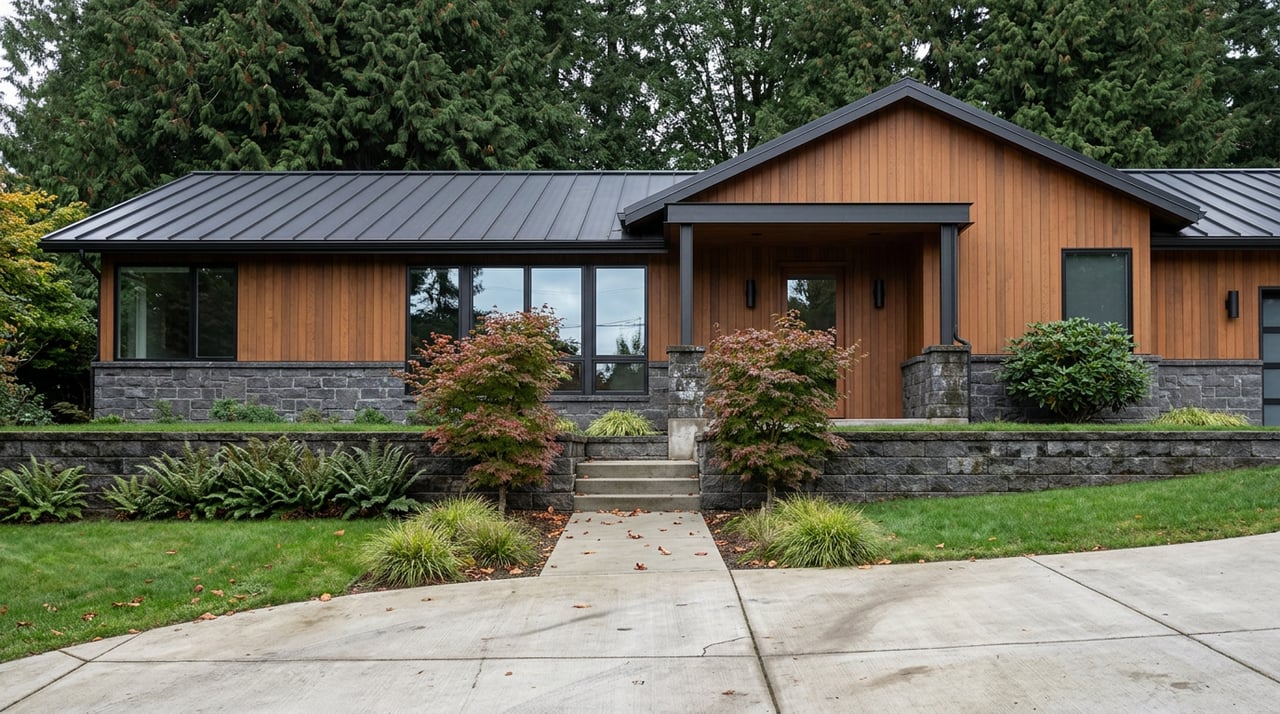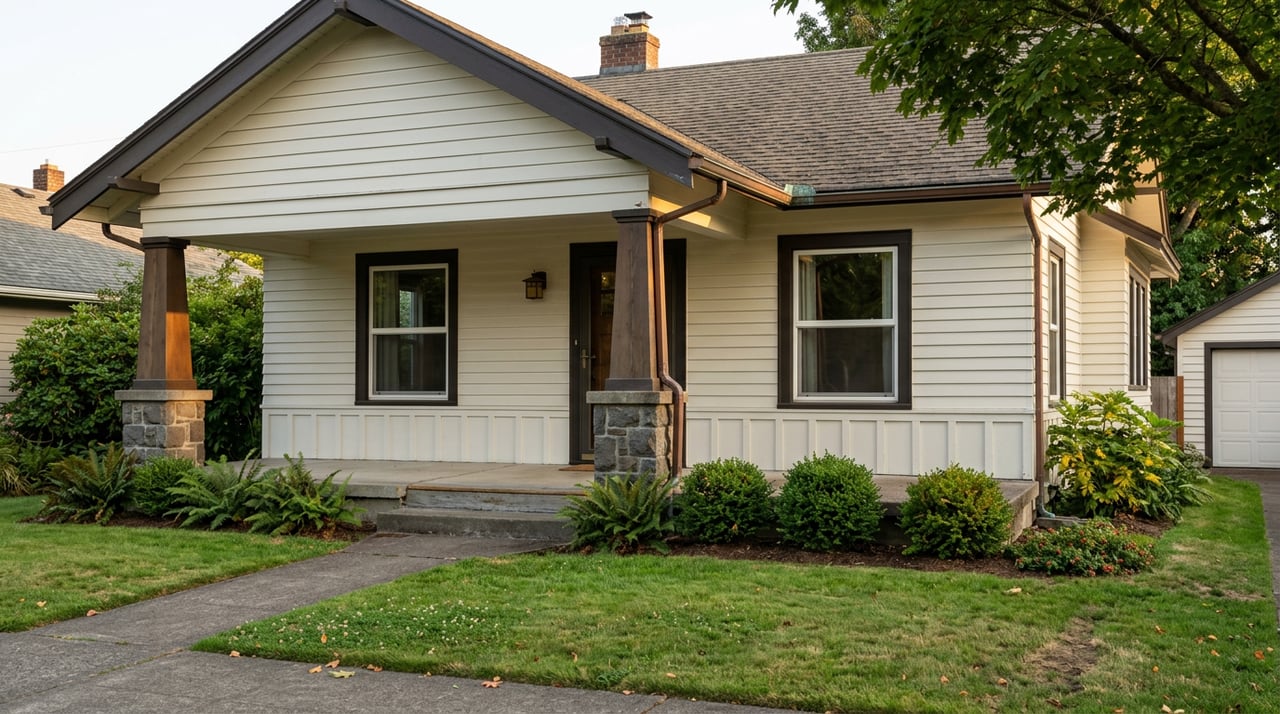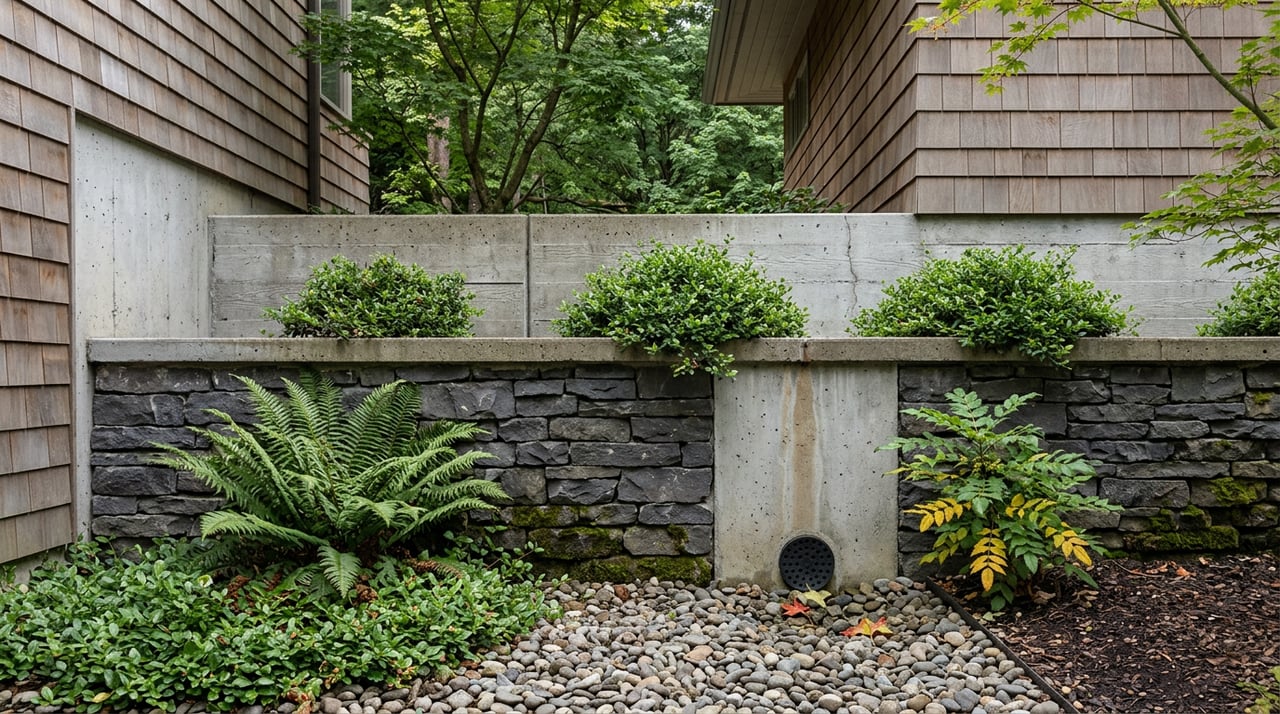
A seller sits at the kitchen table with Washington's Form 17 in front of her, pen hovering over Section E. Has there been any settling, slippage, or sliding of the property or its improvements? She has lived on Prune Hill for eleven years. Nothing has ever cracked, shifted, or worried her. But she also remembers the retaining wall the builder poured along the back slope, the drainage line the landscaper insisted on before the patio went in, and the neighbor two doors down who mentioned a geotechnical report before adding a garage. She is not sure if any of that counts. Most Prune Hill sellers end up circling the same question with the same hesitation, because the honest answer is rarely a clean no.
That hesitation is not a red flag. It is a function of the ground itself, and understanding why changes how a seller should approach the disclosure form long before a buyer's inspector ever shows up.
The Hill Is Doing the Disclosing Before You Do
Prune Hill sits on what is, geologically speaking, an old volcanic feature. A 2019 geotechnical report filed with the Washington Department of Ecology for a property on the hill's west side describes the underlying geology, citing published mapping that identifies the area as talus deposits made of unsorted, angular basalt blocks and scoria accumulated below cliffs on the south side of Prune Hill. That same report found native soils on the parcel to be loose to medium dense clayey, sandy silt with rock fragments, sitting on slope gradients exceeding 15 percent, with portions of the lot reaching 25 to 40 percent grade and roughly 30 feet of vertical relief across the property.
Translate that out of engineer-speak: this is a hill built from broken volcanic rock and sediment that has been sliding downhill, slowly and mostly imperceptibly, for a very long time. Homes here are not built on a geologic anomaly. They are built on the expected pattern for the terrain. That is precisely why the slope and settling questions on a disclosure form come up so often on this particular hill and comparatively rarely in flatter parts of Camas.
The City Already Assumes This Ground Needs a Second Look
Camas does not treat geologic hazard as a surprise. The city's Critical Areas code, Chapter 16.59 of the Camas Municipal Code, specifically designates geologically hazardous areas alongside wetlands, flood zones, and habitat areas as land requiring extra scrutiny before development. The stated purpose of that chapter is to protect people and property from landslides, steep slope failures, erosion, and seismic events while still allowing reasonable use of the land. In practice, that means a builder or homeowner proposing new construction, an addition, or significant grading on a steep portion of Prune Hill may need a geotechnical study before the city signs off, not because something is wrong with the specific lot, but because the code applies the same baseline scrutiny to any parcel that meets the slope criteria.
Retaining walls follow their own specific threshold. Under the city's zoning code, any retaining wall taller than four feet requires a building permit, and walls generally cannot exceed six feet without approval from the community development director. The code also requires drainage behind the wall to relieve water pressure buildup, which matters enormously on a hill made of loose talus and clayey silt sitting on basalt. A retaining wall without proper drainage on this kind of ground is not a cosmetic problem waiting to happen. It is a hydrostatic pressure problem waiting to happen.
If a Prune Hill property has a retaining wall over four feet, there should be a permit on file with the city. If there is not, that is itself something worth knowing before a sale, not after.
The Two Boxes That Actually Matter on This Hill
Washington's Form 17, required under RCW 64.06, asks sellers to disclose based on their actual knowledge at the time they sign, not based on a professional inspection they never commissioned. Two sections do the heavy lifting for a hillside property like this one:
- Section E, in the structural portion, which asks directly about settling, slippage, or sliding of the property or its improvements.
- A question in the environmental section asking whether the seller is aware of earthquake risk, expansive soils, or landslides affecting the property.
Both are asterisked items, meaning a "yes" answer requires a written explanation. Neither question asks whether the condition is dangerous. They ask whether the seller knows about it. That distinction matters because "actual knowledge" is a wider net than most sellers assume. It can include a geotechnical report commissioned years ago for an unrelated addition, a retaining wall permit pulled by a previous contractor, a conversation with an engineer about drainage, or simply having watched a landscaper redirect water away from a slope after a wet winter. None of that requires a formal engineering finding of instability. It just requires the seller to have known something and said so.
This is where the incentive structure actually favors early disclosure, not against it. Once a seller discloses a known condition and explains what was done about it, the legal burden of further investigation shifts to the buyer. Silence does not make the hill flatter. It just means the buyer's inspector finds the retaining wall, asks who permitted it, and the seller is now explaining a surprise instead of a documented history.
What Happens When the Explanation Comes Too Late
A Washington Court of Appeals case illustrates how badly this can go when a seller under-discloses rather than over-discloses. In that dispute, a homeowner had foundation settling addressed with helical piers, but an engineer had also recommended a subsurface pile wall to stop ongoing sliding of the fill material beneath the house. The homeowner never installed the pile wall. When she later sold the property, she disclosed the fill material and the helical piers on her Form 17, but not the unresolved sliding risk the engineer had flagged. Two years after closing, the new owner's kitchen floor pulled away from a wall. The buyer sued for fraudulent concealment. A trial court initially dismissed the case, ruling the buyer had enough notice to investigate further. The Court of Appeals disagreed and sent the case back, finding that a reasonable buyer could have believed the problem was already resolved based on what was disclosed.
That case did not happen on Prune Hill, and none of this is legal advice. It is simply a documented pattern in Washington disclosure law worth understanding on ground where fill, slope, and drainage questions come up as a matter of course rather than as an exception. A partial fix that is disclosed as a complete fix creates exactly the kind of gap that turns into litigation years later.
Getting Ahead of the Question Instead of Answering It Cold
The sellers who move through a Prune Hill transaction with the least friction are usually the ones who commission a geotechnical review or pull together existing permits and reports before the home ever goes on the market, rather than waiting to see what a buyer's inspector turns up during the contingency period. That single step changes three things at once. It gives the seller specific, documented language to put in the Form 17 explanation box instead of a vague description from memory. It removes the moment mid-contract where a buyer's inspector finds a retaining wall with no permit history and starts asking pointed questions with leverage on their side. And because lenders on hillside properties sometimes request geotechnical documentation before funding, having that report ready before listing can prevent a financing delay from surfacing at the worst possible time in escrow.
None of this means a Prune Hill home is riskier to buy or harder to sell than anywhere else in Camas. It means the paperwork here tells a more specific story, and the sellers who tell that story clearly, with documentation in hand, are the ones who keep their transactions on schedule.
A Few Questions Worth Asking Before You List
Does a "yes" on the slope question mean something is wrong with the house? No. It means the seller has knowledge of a condition, which on this hill is common given the underlying geology. A documented, resolved condition disclosed clearly is a very different conversation than an undisclosed one discovered later.
Do I need to hire a geotechnical engineer before I list my Prune Hill home? Not always, but if the property has an existing retaining wall, known drainage work, or any prior grading near a slope, having a report or permit history ready to hand a buyer removes guesswork on both sides.
What if my home has genuinely never had any slope or settling issues? Then Form 17 is simple. The point is not to manufacture a disclosure. It is to make sure the answer reflects what you actually know, documented where possible, rather than a guess made under time pressure at the closing table.
If you are weighing a sale on Prune Hill, or trying to read a disclosure statement on a home you are considering there, a conversation before you sign anything is worth more than a form filled out in a hurry. Peter Cutile works this hill regularly and can help you sort out what your specific property's history actually means before it becomes a question in someone else's inspection period. Schedule a consultation and bring your questions with you.